Bulk capture
Support workflows where many tagged cases, assets or items need to be identified quickly.
High-volume identification
UHF/RAIN RFID is suited to operations that need to identify multiple items without line-of-sight scanning. We help align the printer, inlay, data structure and downstream reader environment so the complete system works as one.
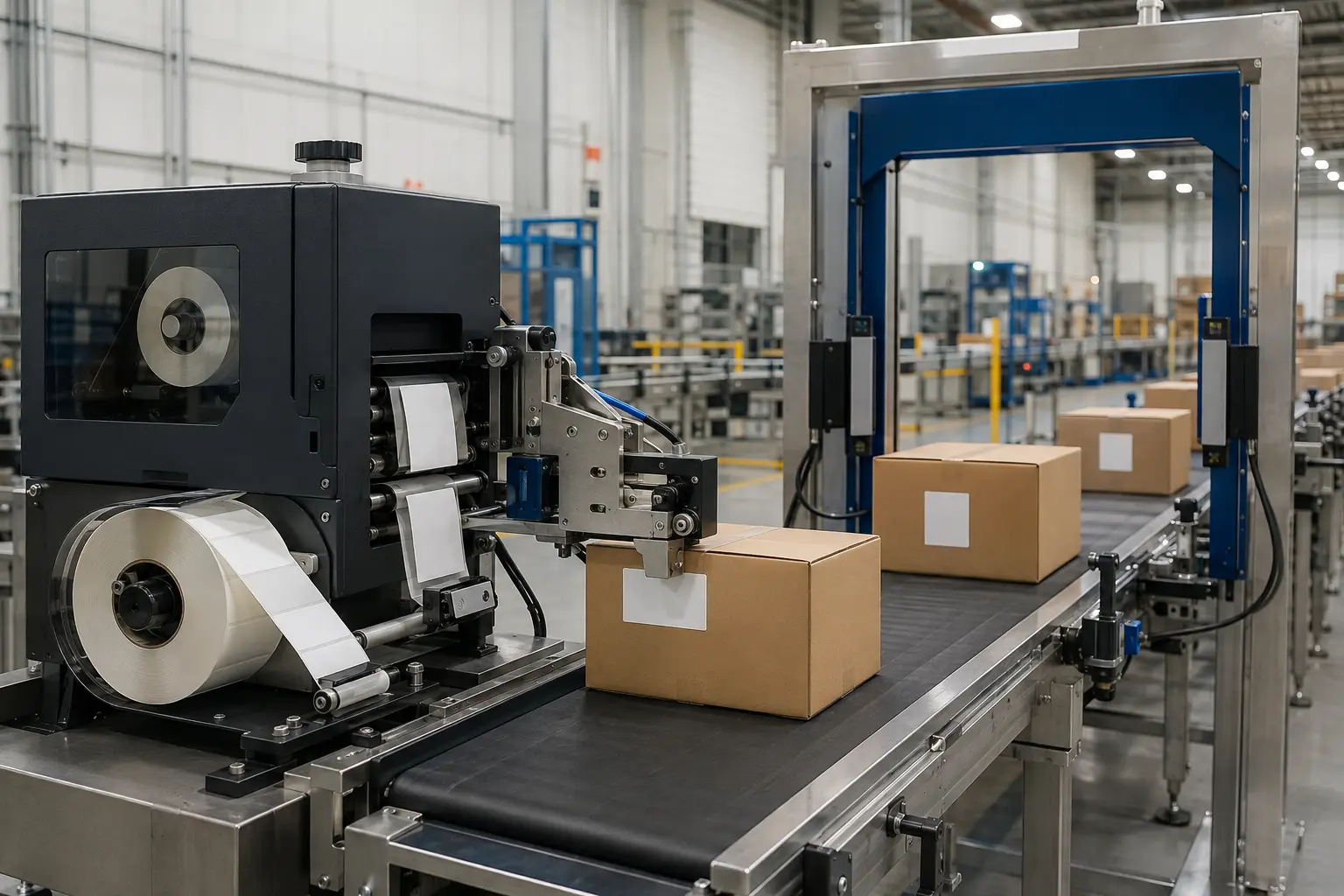
A complete working process
We consider the label, data, encoder, product and downstream read point together—because each one affects the result.
Support workflows where many tagged cases, assets or items need to be identified quickly.
Structure Electronic Product Code and related tag memory around your identification rules and host system.
Select antenna design and inlay position for the product, read zone, label size and converting process.
Account for liquids, metals, dense packing and RF reflections before committing to production media.
Specification checklist
A short discovery call and representative samples can remove much of the risk from equipment and media selection.
Start the specificationWhere it fits
Frequently asked questions
Have a more specific technical question? Send a sample or speak directly with our team.
sales@oxfordtraceability.co.ukRAIN RFID commonly refers to passive UHF RFID systems built around interoperable standards used for item identification. Exact compatibility still depends on the tag, printer encoder, reader, regional settings and data implementation.
Not with one universal label. Metal, liquids, dense products and close tag spacing can change RF performance. Selecting and testing the correct inlay and tag position is a key part of the project.
Suitable printer-encoders can write EPC data, but the number allocation, data structure and host integration must be defined correctly. We can help translate the operational requirement into a practical print-and-encode workflow.
Make the next decision easier
Specify the label, inlay, printed information and data to be encoded. Agree how the system checks a successful encode and associates the label with the correct item or batch. Include failed-label handling and reprints so the trial covers the production transaction as well as the finished label.
Related guidance: RFID printer buyer’s guide · RFID printer FAQs